
Louisa May ALCOTT
Biography
Louisa May Alcott was a fascinating and influential figure in American literature, best known for her timeless classic, "Little Women." Born on November 29, 1832, in Germantown, Pennsylvania, Louisa was the second of four daughters in the Alcott family. Her parents, Amos Bronson Alcott and Abigail May Alcott, were both idealists and reformers, and their beliefs greatly influenced Louisa's upbringing.
The Alcott family faced financial struggles throughout Louisa's childhood, moving frequently in pursuit of economic stability. This instability had a profound impact on Louisa, shaping her resilient and independent spirit. Despite the family's financial challenges, Louisa's father, Bronson Alcott, was a dedicated educator and philosopher who associated with transcendentalist thinkers such as Ralph Waldo Emerson and Henry David Thoreau. These intellectual connections exposed Louisa to a rich literary and philosophical environment from a young age.
Louisa's education was unconventional but intellectually stimulating. She received instruction from her father, engaged in conversations with family friends like Emerson and Thoreau, and explored literature extensively. Louisa's early exposure to the transcendentalist movement and its emphasis on self-reliance and individualism left a lasting imprint on her worldview.
As a teenager, Louisa began contributing stories, poems, and sketches to various publications to help support her family financially. She adopted the pen name A. M. Barnard for some of her early works. Louisa's writing style evolved, and she experimented with different genres, including Gothic thrillers and sensational tales.
However, it was the publication of her first novel, "Moods," in 1864, that marked a significant step in Louisa's literary career. The novel explored themes of love and relationships, showcasing her ability to depict complex emotions. Around the same time, Louisa started working as a nurse during the Civil War, an experience that deeply impacted her and found its way into her later writings.
Despite her growing success as a writer, Louisa faced financial pressures and continued to write popular, sensational stories to support her family. It was in 1868 that she penned the novel that would define her legacy— "Little Women." This semi-autobiographical novel drew inspiration from Louisa's own experiences growing up with her three sisters. The characters of Meg, Jo, Beth, and Amy March mirrored her and her sisters, and the novel explored themes of family, love, and the challenges of womanhood.
"Little Women" was an immediate success, capturing the hearts of readers with its relatable characters and timeless lessons. The novel's enduring popularity led Louisa to write two sequels, "Little Men" and "Jo's Boys," completing the March family saga.
Louisa's success as a writer provided financial stability for her family, allowing her to focus on her craft. Despite facing health issues, including the effects of mercury poisoning from a treatment for typhoid fever during her nursing days, Louisa continued to produce a prolific body of work. Her writing encompassed a wide range of genres, including children's literature, short stories, and novels.
In addition to her literary achievements, Louisa May Alcott was an advocate for women's rights and social reform. She never married, embracing a life of independence and challenging societal norms for women of her time. Louisa supported various social causes, including women's suffrage and abolitionism.
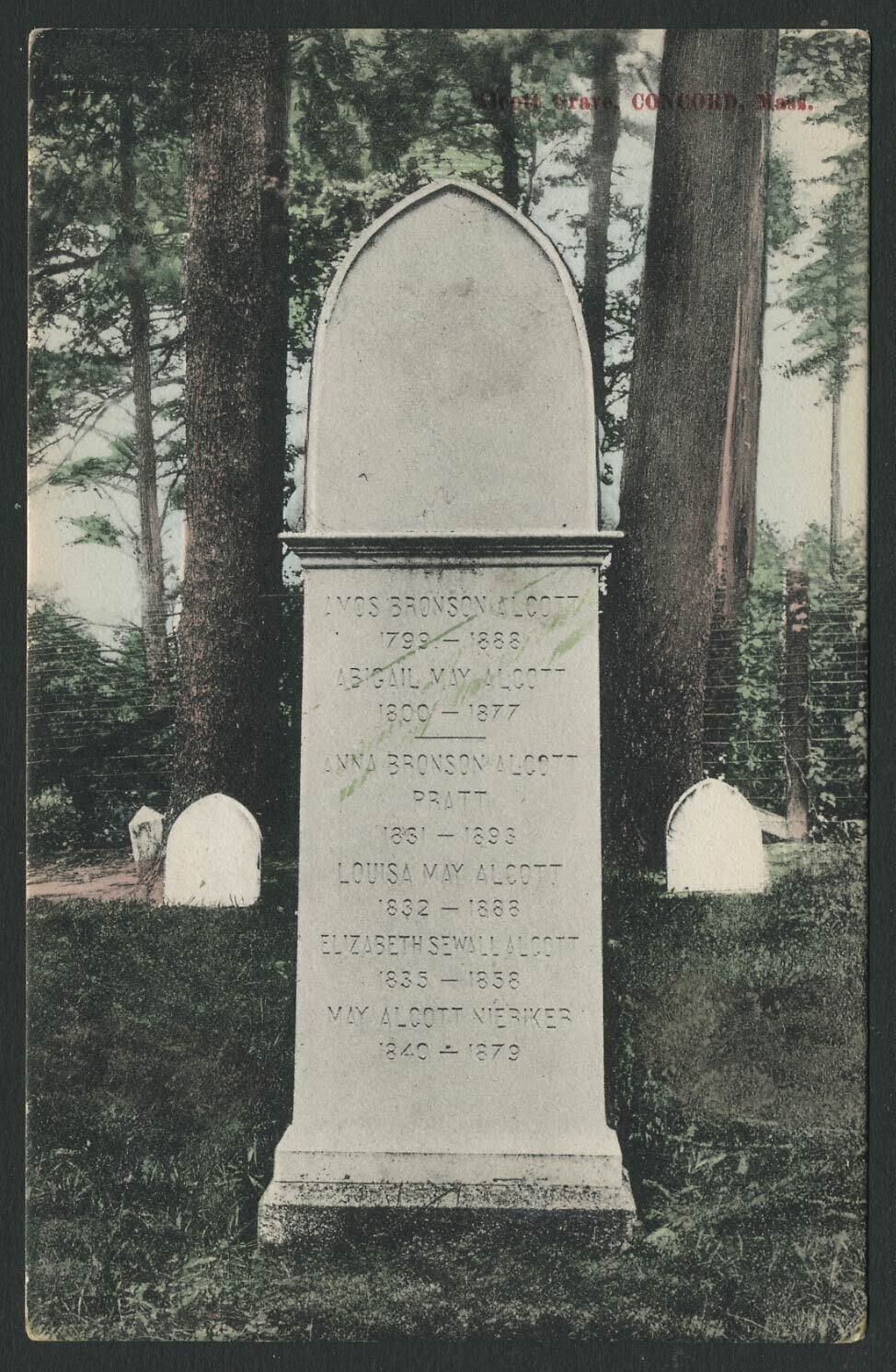
Louisa May Alcott passed away on March 6, 1888, at the age of 55, just two days after her father's death. Although her life was relatively short, her impact on American literature and her contributions to the portrayal of women in literature remain profound. "Little Women" continues to be a beloved classic, inspiring readers across generations and cementing Louisa May Alcott's place as one of the most influential American authors of the 19th century.
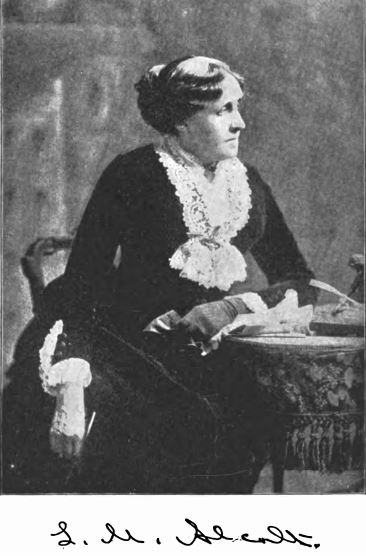
. United Kingdom: G. P. Putnam's sons.)
Historic Towns of New England. (1898). United Kingdom: G. P. Putnam's sons.
Artwork

Learn more about the life of


 Louisa May ALCOTT.