
John MUIR
Biography
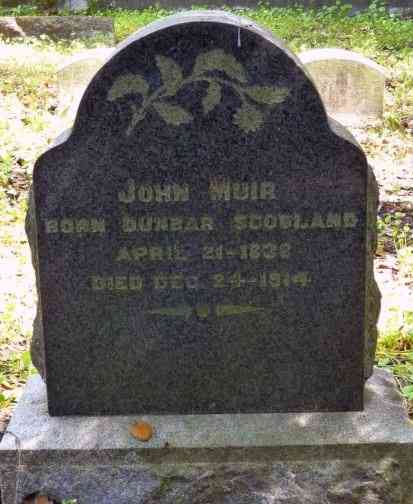
Born on April 21, 1838, in Dunbar, Scotland, Muir was a Scottish-American naturalist, author, environmentalist, and early advocate for the preservation of wilderness in the United States. His influence was instrumental in the creation of several national parks.
Muir's family emigrated to the United States when he was only 11 years old, settling in Wisconsin. Growing up on a farm, he developed a deep connection with nature from an early age. Muir's life took a pivotal turn in 1867 when a factory accident nearly blinded him. This event inspired him to pursue his passion for nature and exploration more fervently.
In 1868, Muir undertook a thousand-mile walk from Indiana to the Gulf of Mexico, a journey that fueled his love for the natural world and the idea of preserving it. His wanderlust didn't stop there; he later explored the Yosemite Valley and the Sierra Nevada Mountains, areas that would become central to his environmental advocacy.
Muir's eloquent writings about the Yosemite Valley and Sierra Nevada captivated readers and drew attention to the beauty of these landscapes. His articles were published in various magazines, bringing the wonders of the American wilderness to the public's attention.
One of the defining moments in Muir's life occurred in 1888 when he co-founded the Sierra Club, an organization dedicated to preserving the wilderness and promoting the responsible use of natural resources. The Sierra Club played a crucial role in advocating for the creation of national parks.
Muir's tireless efforts to conserve nature led to significant achievements, including the establishment of Yosemite National Park in 1890. His influence extended to the broader conservation movement, and he became known as the "Father of the National Parks." Muir's advocacy also contributed to the creation of other national parks, such as Sequoia and Mount Rainier.
Despite his significant contributions to conservation, Muir was not without his critics. Some argued that his focus on preservation could limit the use of natural resources for human development. However, Muir staunchly believed that nature had intrinsic value and deserved protection for its own sake.
John Muir's legacy extends beyond the tangible results of his conservation efforts. His writings, including works like "The Mountains of California" and "My First Summer in the Sierra," continue to inspire readers and environmentalists today. Muir's commitment to the preservation of wilderness left an indelible mark on American environmentalism, shaping the way people view and interact with nature.
In his later years, Muir remained active in environmental causes, even influencing key political figures. He corresponded with President Theodore Roosevelt, encouraging him to expand the national parks system. Muir's efforts culminated in the establishment of Yosemite National Park and the creation of other protected areas.
John Muir passed away on December 24, 1914, but his legacy lives on. His contributions to the conservation movement paved the way for future environmentalists and continue to resonate in the ongoing efforts to protect and appreciate the natural world. Today, Muir's spirit endures in the vast, unspoiled landscapes he fought to preserve, and his words continue to inspire a deep connection to the beauty and importance of the Earth's wild places.

Learn more about the life of


 John MUIR.