
Ray Charles ROBINSON
Biography
Ray Charles, born Ray Charles Robinson on September 23, 1930, in Albany, Georgia, was a musical genius who left an indelible mark on the world of music. His life story is a remarkable journey of talent, perseverance, and overcoming adversity.
Ray Charles was born into a poor family and faced challenges early in life. At the age of five, he began to lose his sight due to glaucoma, and by the age of seven, he was completely blind. Despite this obstacle, Charles's mother, Aretha, played a crucial role in nurturing his love for music. She encouraged him to pursue his passion, and young Ray started learning to play the piano.
Growing up in the segregated South, Charles faced the harsh realities of racism. His family struggled to make ends meet, and the racial segregation of the time made life even more challenging. Despite these hardships, Charles was determined to forge a path for himself through music.
In 1945, tragedy struck when Charles's mother passed away. This loss was a turning point in his life, prompting him to leave school and pursue his musical career more seriously. He left Florida, where he had been attending the St. Augustine School for the Deaf and the Blind, and headed to Seattle, where he began his journey as a professional musician.
Seattle was where Ray Charles first made a name for himself. He played in various bands, experimenting with different musical styles, including jazz, blues, and R&B. His ability to blend these genres laid the foundation for the distinctive sound that would later define his career.
In 1952, Charles signed with Atlantic Records, marking the beginning of his successful recording career. His first hit, "Confession Blues," was followed by several others that showcased his unique voice and musical style. Charles's innovative approach to blending gospel, R&B, and blues elements earned him the nickname "The Genius."
One of Ray Charles's breakthrough moments came with the release of "I Got a Woman" in 1954. The song showcased his remarkable fusion of gospel and R&B, setting the stage for what would become known as soul music. This marked a pivotal moment not only in Charles's career but in the evolution of popular music.
Throughout the 1950s and 1960s, Ray Charles continued to churn out hit after hit. His chart-toppers included classics like "What'd I Say," "Georgia on My Mind," and "Hit the Road Jack." His voice, combined with his unparalleled skill on the piano, captivated audiences worldwide.
In 1960, Charles achieved a significant milestone by earning his first Grammy Award for "Georgia on My Mind." This soulful ballad, an ode to his home state, became one of his most iconic songs. It was a powerful statement against the racial segregation that persisted in the South at the time.
Ray Charles's success extended beyond the music charts. In 1961, he founded his own record label, Tangerine Records, giving him greater control over his music and career. This move showcased his entrepreneurial spirit and commitment to artistic freedom.
Despite his accomplishments, Charles faced personal struggles, including battles with drug addiction. In the mid-1960s, he was arrested for heroin possession, a turning point that led him to seek treatment and overcome his addiction. This period of his life reinforced his resilience and determination to overcome adversity.
The 1970s saw Ray Charles exploring new musical territories, including country and western. His album "Modern Sounds in Country and Western Music" became a crossover sensation, defying genre boundaries and further solidifying his status as a musical pioneer.
Over the years, Charles's influence on the music industry became increasingly evident. His contributions to soul, R&B, and jazz earned him numerous accolades, including multiple Grammy Awards. In 1986, he was inducted into the Rock and Roll Hall of Fame, cementing his place in music history.
Ray Charles continued to perform and record well into his later years. His live performances were legendary, showcasing his dynamic stage presence and the enduring power of his music. Despite facing health challenges, including complications from liver disease, Charles remained dedicated to his craft.
On June 10, 2004, the world lost a musical legend when Ray Charles passed away at the age of 73. His impact on the music industry and his ability to transcend genre boundaries continue to resonate, inspiring generations of musicians.
Ray Charles's life is a testament to the transformative power of music and the strength of the human spirit. His ability to overcome adversity, coupled with his unparalleled talent, has left an enduring legacy that will be celebrated for years to come.
Learn more about the life of

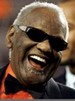 Ray Charles ROBINSON.