
Frederick Augustus Washington (BAILEY) DOUGLASS
Biography
Frederick Douglass was a remarkable individual whose life story is both inspiring and deeply impactful. Born into slavery around 1818 in Talbot County, Maryland, he initially knew little about his exact date of birth or his parentage. Separated from his mother at an early age, Douglass experienced the harsh realities of slavery from the outset.
Douglass' journey to freedom began when he was sent to Baltimore to work for a family named Auld. There, he secretly taught himself to read and write, defying laws that prohibited slaves from acquiring an education. This newfound knowledge fueled his desire for freedom and ignited his awareness of the injustice of slavery.
In 1838, Douglass made a daring escape from slavery, reaching New York and eventually settling in Massachusetts. He adopted the surname "Douglass" to avoid capture and started a new chapter of his life as a free man. Douglass became actively involved in the abolitionist movement, working alongside prominent figures like William Lloyd Garrison and publishing his own anti-slavery newspaper, the North Star.
One of Douglass' most significant contributions was his powerful oratory skills. His speeches, including the famous "What to the Slave is the Fourth of July?" address, resonated with audiences across the nation. Douglass became a leading voice in the fight against slavery, advocating for the rights of African Americans and women.
In addition to his activism, Douglass held various political positions, such as serving as a U.S. Marshal and representing the United States at diplomatic posts. He became the first African American nominated for the Vice Presidency of the United States as the running mate of Victoria Woodhull on the Equal Rights Party ticket in 1872.
Douglass' commitment to justice extended beyond the abolition of slavery to the broader struggle for civil rights. He played a pivotal role in the post-Civil War Reconstruction era, working to secure voting rights and equality for African Americans. His dedication to the cause of freedom earned him respect not only in the United States but also internationally.
Frederick Douglass passed away on February 20, 1895, leaving behind a legacy of courage, resilience, and unwavering commitment to the pursuit of justice. His autobiographies, including "Narrative of the Life of Frederick Douglass, an American Slave," remain powerful testaments to the enduring human spirit and the fight for freedom.
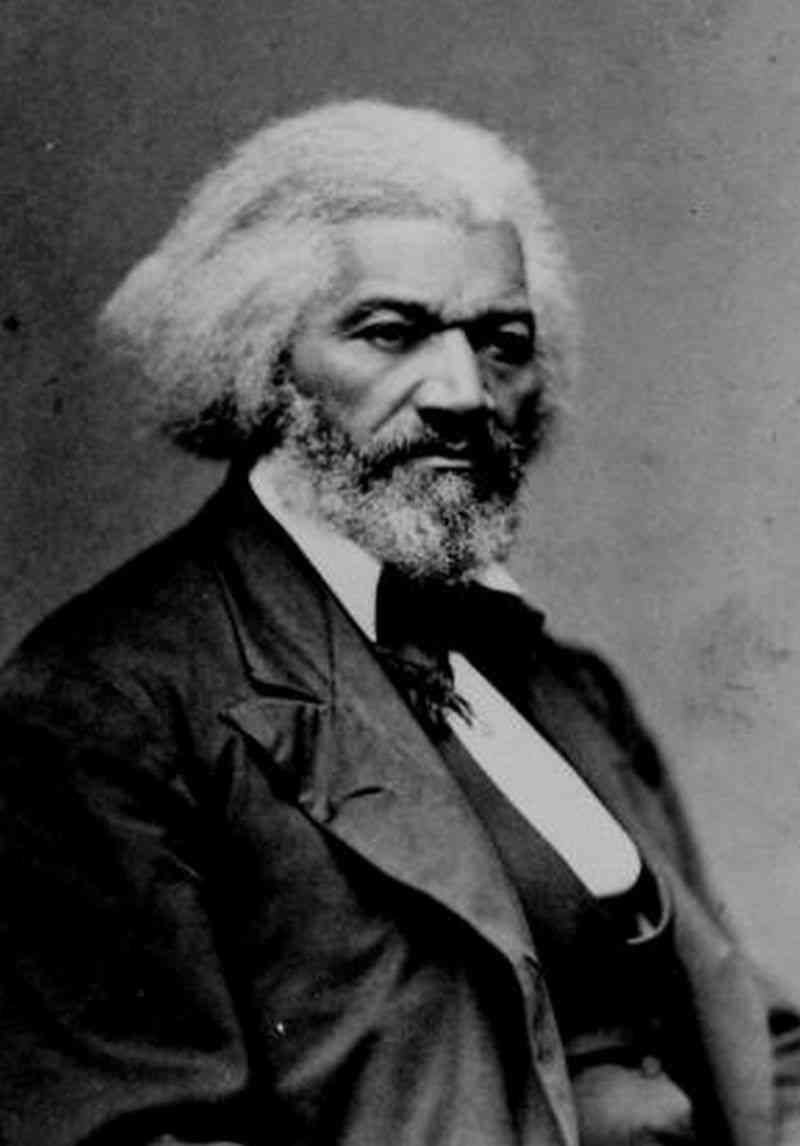
 DOUGLASS - )
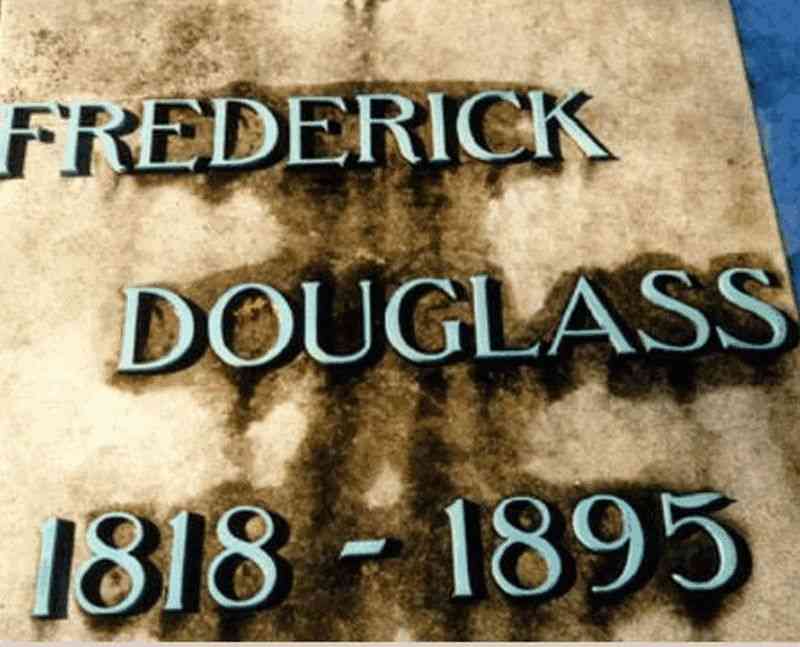
 DOUGLASS - Grave)
Learn more about the life of

 Frederick Augustus Washington (BAILEY) DOUGLASS.