
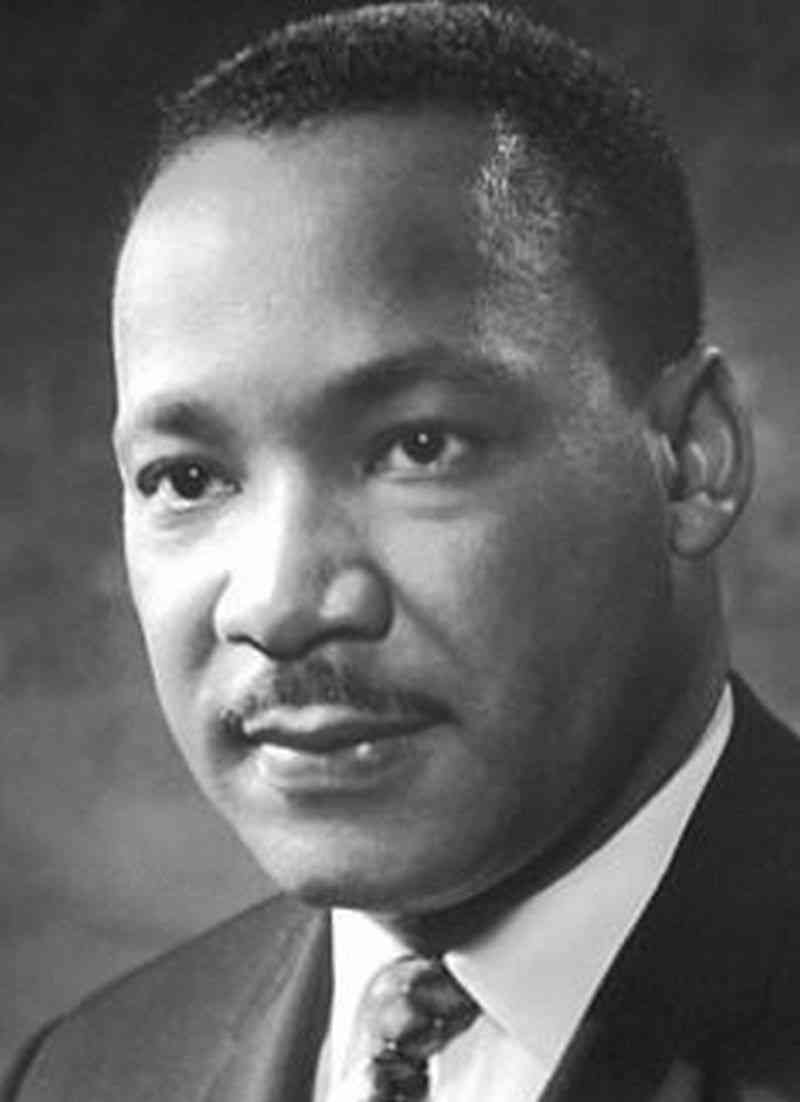
Martin Luther, Jr. KING
Martin Luther King, Jr. led the 1955 Montgomery bus boycott
The Montgomery bus boycott of 1955-1956 was a pivotal event in the civil rights movement in the United States. It was sparked by the arrest of Rosa Parks, an African American woman who refused to give up her seat to a white person on a bus in Montgomery, Alabama, on December 1, 1955. Her arrest led to a boycott of the city's bus system by African Americans, who made up the majority of the bus ridership. The boycott was organized by the Montgomery Improvement Association (MIA), a group led by Martin Luther King, Jr., who was a young minister at the time.
The boycott lasted for 381 days, during which African Americans organized carpools and other means of transportation to avoid using the buses. The boycott was a significant challenge to the segregation laws of the time and drew national attention to the civil rights movement. It also marked the rise of Martin Luther King, Jr., as a prominent leader in the movement. The boycott ended on December 20, 1956, after the Supreme Court ruled that segregation on public buses was unconstitutional. The success of the Montgomery bus boycott inspired other nonviolent protests and helped set the stage for the broader civil rights movement of the 1960s.

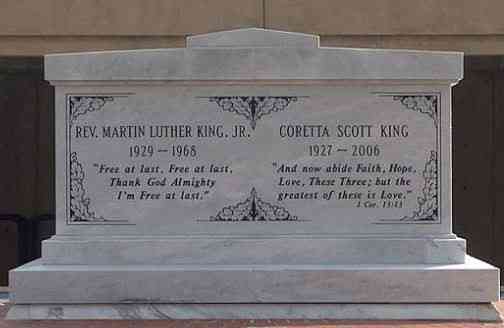

Learn more about the life of

 Martin Luther, Jr. KING.
Visit Atlanta, Georgia, USA
Discover the people who lived there, the places they visited and the stories they shared.