
Amelia JENKS
Biography
She wore pants to a party in 1851, and America lost its mind. Within months, her name became an insult. Today, it’s in your closet.
May 27, 1818. Amelia Jenks was born in Homer, New York, into a world where women’s clothing could literally harm them. Corsets crushed ribs. Skirts weighed 15 pounds and dragged through mud. Women fainted from tight lacing. Hoop skirts caught fire near cooking hearths. Fashion was a cage, and Amelia watched women struggle inside it.
She married Dexter Bloomer, a newspaper editor in Seneca Falls, and in 1848 attended an event that would change history: the First Women’s Rights Convention, held in her hometown. She listened as women demanded the vote, education, and basic rights—but noticed something else: every woman there was trapped in layers of fabric that made simply walking an act of endurance.
In 1849, she started The Lily—the first newspaper in America edited by and for women. She wrote about temperance, suffrage, and the radical idea that women deserved the same rights as men.
Then in 1851, her cousin Elizabeth Smith Miller appeared wearing something shocking: loose Turkish-style trousers under a knee-length dress. Amelia stared. Elizabeth could walk. Bend. Move freely. No corset. No hoops. No twenty pounds of dragging fabric.
Amelia asked: “Can I write about this?” Elizabeth agreed, and Amelia published a description in The Lily, calling it practical, liberating, and long overdue.
The response was explosive. Newspapers mocked the outfit. Cartoons depicted women in pants as masculine monsters. Preachers called it ungodly. Politicians said it was indecent. Men shouted insults at women who dared wear them publicly.
“Bloomers,” they called them—after Amelia Bloomer, the woman defending them most fiercely in print. The name was meant as mockery. Amelia wore it as armor.
She wrote letters defending dress reform, wore bloomers herself, and encouraged women to reclaim their bodies from fashion’s tyranny. Elizabeth Cady Stanton published supportive articles in The Lily, and women across the country began wearing them in defiance.
For a few years, “bloomer wearers” became a symbol of women’s rights—and a target for hatred. The backlash was brutal. Women in bloomers were denied entry to churches, harassed on streets, fired from jobs. The ridicule became so intense that even Stanton eventually stopped wearing them, noting the fight for the vote was already difficult without clothing controversy.
By 1859, Amelia stopped wearing bloomers publicly—not because she was wrong, but because the distraction had become a weapon against the broader movement.
But she had already changed something fundamental. She proved that women could challenge even the most “natural” restrictions. Fighting for freedom meant fighting everywhere—including what you’re allowed to wear.
One more thing Amelia did that shaped history: in 1851, she introduced Elizabeth Cady Stanton and Susan B. Anthony at a street corner in Seneca Falls. That meeting created one of the most powerful partnerships in American women’s rights history.
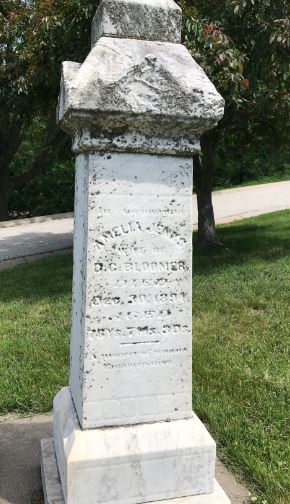
Amelia continued editing The Lily until 1855, moved to Iowa, and advocated for suffrage until her death in 1894. She never lived to see women win the vote, but she lived to see bloomers evolve—first into athletic wear, then everyday clothing, and eventually the pants women wear today without a second thought.
The word “bloomers” became a joke. Old-fashioned. Silly.
But every time a woman puts on pants, she carries Amelia Bloomer’s revolution. Every time a woman moves freely without corsets, hoops, or 15 pounds of restrictive fabric, she lives the freedom Amelia fought for.
The world tried to make her name an insult. She turned it into a legacy.
Lost Pages on Facebook

Learn more about the life of

 Amelia JENKS.
Visit Homer, New York, USA
Discover the people who lived there, the places they visited and the stories they shared.